
THE ART OF LEADERSHIP
“Tactical empathy is understanding the feelings and mindset of another in the moment.”
Chris Voss
Tactical Empathy: The Fastest Way to Lead Tough Conversations
Leaders lose influence when they rush to solutions. In tense conversations, people want to feel heard before they can hear you. Tactical empathy isn’t agreeing, it’s accurately naming what the other person is experiencing, so defensiveness drops and real information surfaces.
Use it as a repeatable script: ask one open question, mirror the last few words, then label the emotion (“It sounds like you’re worried about the deadline”). Summarize their view and ask, “What would a good outcome look like?” Only after they confirm, share your intent, and a clear next step.
Done consistently, this turns conflict into collaboration. You catch risks earlier, negotiate commitments instead of issuing orders, and people take ownership because the plan reflects reality. The result is faster decisions, fewer follow-up meetings, and a team that trusts you under pressure.
Ask two empathy questions before giving direction in every difficult conversation this week.


COMMERCIAL CONSTRUCTION
How does Sequel turn honesty into on-time, on-budget delivery?
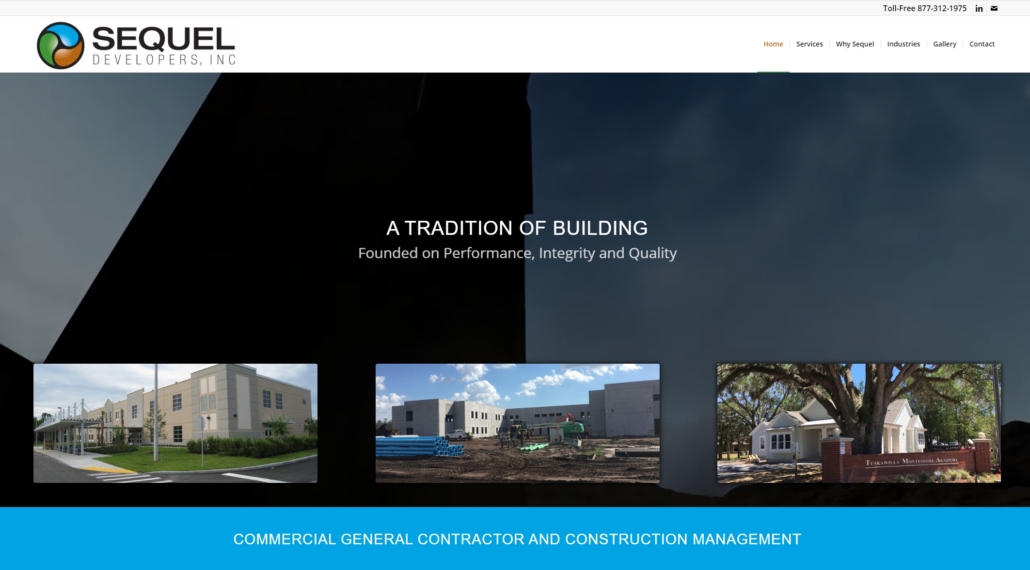
Sequel Developers, Inc. is a commercial general contractor and construction management partner built on performance, integrity, and quality. In business since 1997, it offers turnkey delivery for design-build, new construction, renovations, additions, and repairs, serving private owners as well as public, local-government, and federal clients.
The differentiator it emphasizes is reliability: finish every project safely, on time, and within budget, then earn lifelong business by listening hard and staying attentive. That mindset is positioned as an antidote to contractors who overpromise and underdeliver, replacing hype with steady project controls and day-to-day follow-through.
Its footprint includes offices in Orlando, Florida, and Atlanta, Georgia, and it is licensed in both states. Credentials like LEED BD+C and Minority Business Enterprise certification signal a firm that wants standards to be visible, not assumed. Ultimately, Sequel ties trust to a simple habit: continuous, professional, honest communication and a hands-on approach.
Hands-on communication and integrity help Sequel deliver safely, on time, and on budget.
INFRASTRUCTURE INDUSTRY
Will progressive design-build finally cut military change orders and delays?
Military construction got a new delivery option in the FY 2026 defense authorization. A law enacted by the U.S. Congress explicitly permits the U.S. Department of Defense to use progressive design-build and other accelerated design-build procedures, reducing legal ambiguity that often pushes teams into rigid low-bid habits.
For contractors, this is a margin and schedule story. Progressive design-build allows owners to select a team based on qualifications, collaborate through design, and then negotiate a price once risks are identified. That makes it easier to lock in long-lead procurement, phase work around base operations, and avoid change-order disputes arising from incomplete early documents.
But the method only works with discipline. Owners must set a target value, publish decision deadlines, and require open-book cost data so scope growth is visible early. Builders should bring key subs in during validation, define acceptance tests before mobilization, and treat commissioning and turnover documentation as the real finish line.
Set hard decision gates before locking the guaranteed price.
RESIDENTIAL RESEARCH
Does pushing back on compliance dates change what builders value in specifications?
HUD extended compliance dates for its minimum energy standards on federally supported housing. The notice keeps the 2021 IECC for low-rise homes and ASHRAE 90.1 2019 for other buildings, but moves key HUD program deadlines to December 31, 2026. Competitive grant programs shift to the publication of each FY2026 NOFO, while standalone HOME and Housing Trust Fund projects keep their earlier compliance date unless layered with covered funding.
That matters for FHA financed single family starts, multifamily deals, and public housing work that was about to reprice. Builders get breathing room to adjust designs, bids, and subcontract scopes, yet lenders and owners will still ask for a clear path to meet the standards once the deadline passes. Waiting until the permit is issued can lead to redesign, delays, and lost margin.
Use the extension to standardize. Select one or two compliant envelope packages, lock in HVAC and ventilation options, and confirm the documentation your lender or program administrator will require at closeout. Train estimators on the new baseline, update model specifications, and align with third-party reviewers early so compliance becomes routine rather than a scramble.
Standardize compliant specs now; deadlines move, requirements rarely disappear.

TOOLBOX TALK
Demolition safety: verify stability and control debris before cutting
Good morning, crew. Before we start any demo, we will confirm that the structure is stable and that the plan is clear. A competent person checks the area, identifies weak points, and confirms utilities are isolated. We will set exclusion zones, control falling debris, and keep people out of drop areas. If anything shifts, cracks, or feels unsafe, stop work and call it out immediately.
Demolition hazards change fast because removing one piece can load another. Hidden damage, unsupported floors, and unmarked openings can collapse without warning. The safest approach is planned sequence, top to bottom when applicable, and controlled debris removal. Keep the work area organized, maintain clear access and exits, and use the right tools and PPE. Never work under suspended material or in a zone where debris can fall.
Complete a prework survey and confirm the planned demolition sequence
Verify utilities are shut off, locked out, and clearly identified
Barricade the work zone and keep nonessential workers out
Establish a no-entry drop zone where debris could fall or swing
Brace or shore weak walls, floors, and openings before cutting or pulling
Use controlled removal methods, never push debris blindly into unknown areas
Use chutes or protected drop areas for debris, and keep people clear below
Watch for dust, fumes, and asbestos indicators and stop if suspected materials appear
Maintain clear walkways, stairs, and exits throughout the operation
Stop immediately for cracking sounds, unexpected movement, or new hazards, and reset the plan
We will not demo on guesses. If the structure, sequence, or protections are not correct, we pause and correct them before continuing. Keep communication tight, maintain control of the area, and remove debris systematically. A clean, steady process prevents collapse, injury, and near misses that can end a job quickly.
Who is responsible for confirming stability before demolition starts
What must be in place before debris is dropped or removed from elevation
What are two warning signs that mean stop work immediately
Plan the removal, control the debris, and go home safe after every demo task.
