
In partnership with


One controlled decision chain keeps design, price, schedule, and approval aligned.
TODAY’S DECISION
Lock one proposal decision chain before the final design-build review.
GSA says Phase II proposals for the new Hartford federal courthouse are due September 24, 2026. The agency lists congressional authorization of $344.97 million for site acquisition, design, and construction, and describes a courthouse of no more than 281,000 gross square feet.
A pursuit this visible can still fail through ordinary handoff gaps. Put the design narrative, price basis, schedule basis, key commitments, trade coverage, and executive exceptions in one controlled review. Every change should identify an owner, source, affected section, and final approval.
Send this to the design lead, proposal manager, estimator, scheduler, trade partner lead, risk lead, and executive who owns the final submission.
CONTRACTOR RISK & BACKLOG BRIEF
Design risk: the narrative, drawings, and stated approach can drift when teams resolve late comments in separate files.
Price risk: a design choice can move cost without reaching the estimate, allowances, exclusions, or subcontractor scope.
Schedule risk: milestones can outlive the assumptions that originally supported them.
Commitment risk: an attractive promise can become an obligation before the accountable executive sees its delivery impact.
The useful control is a compact decision chain, not another status meeting. Record the open decision, evidence, recommendation, affected proposal sections, approver, deadline, and closure proof. If one of those fields is missing, the submission is not ready to freeze.
THE ART OF LEADERSHIP
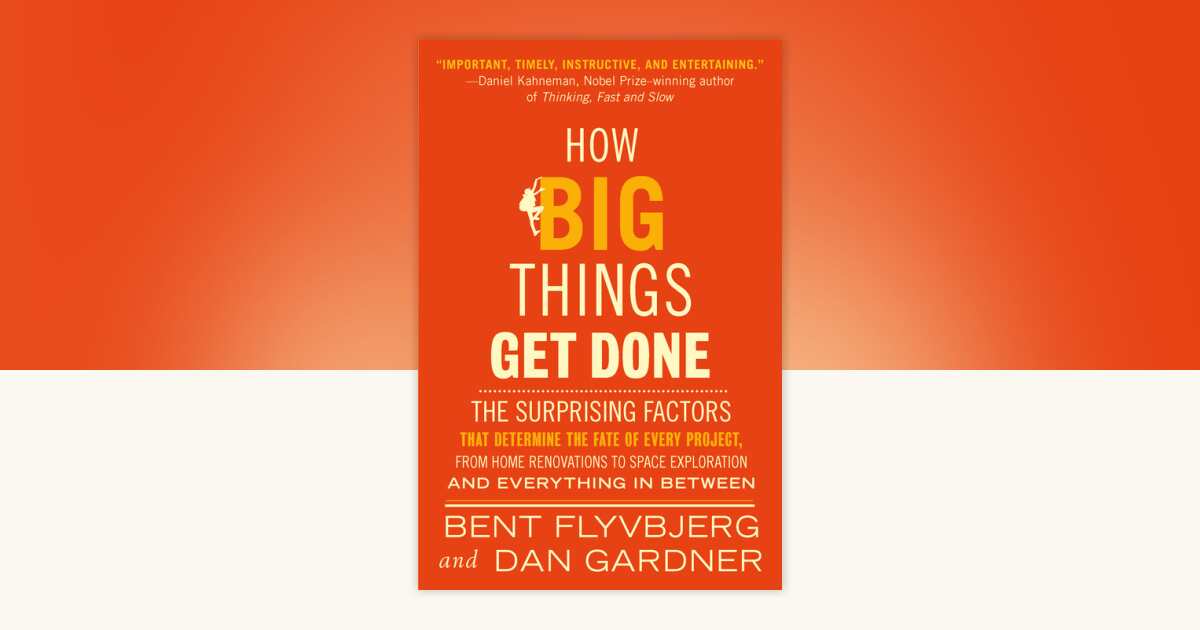
How Big Things Get Done
Bent Flyvbjerg and Dan Gardner connect successful large projects to disciplined planning, realistic evidence, and teams that can translate a big outcome into manageable decisions. For a design-build pursuit, the leadership lesson is simple: make the review path visible before the deadline makes the decisions for you.
COMMERCIAL CONSTRUCTION
On negotiated and design-build work, use the same chain for every owner-facing commitment. Connect the concept, estimate, procurement assumption, schedule impact, and approval record. A design improvement that cannot be traced into price and time remains an unmanaged promise.
INFRASTRUCTURE INDUSTRY
Public design-build pursuits combine technical, commercial, compliance, and delivery evidence. Keep a controlled crosswalk from each final decision to every affected section, drawing, estimate line, milestone, and named responsibility. The crosswalk should show what changed and who accepted the consequence.
RESIDENTIAL RESEARCH
Builders can apply the same method to product changes, amenity packages, civil assumptions, and release plans. Tie each approved change to budget, procurement, permit, schedule, sales copy, and field communication before it reaches a buyer or trade partner.
READ THE PROJECT UPDATE
GSA’s current project page identifies the Phase II due date, the shortlisted teams, the authorized amount, the maximum planned area, the selected site, and the broader delivery timeline. Use the source for the live procurement facts, then apply the decision-chain control to pursuits your team is authorized to manage.
TOOLBOX TALK
The seven-field proposal decision chain: decision, evidence, recommendation, affected sections, accountable owner, approval deadline, and closure proof. Review every unresolved row before the proposal freeze. Do not rely on a meeting memory when a controlled record can protect the commitment.

811 Before You Dig
What does a $120k hire actually cost you?

A $120K salary might look straightforward on paper. But once you factor in employer taxes, statutory benefits, payroll, and country-specific employment costs, the number can look pretty different.
And those costs can vary significantly depending on where your employee is based. Before you build your hiring budget, or make an offer, it helps to know the full picture.
Oyster’s Global Hiring Cost Calculator lets you compare employment costs across 120 countries and estimate what a hire could really cost your business.

Keep building,
Bill
KEEP BUILDING WITH THE DIG
Take today’s briefing further with practical conversations, audio updates, and free field-ready tools.
COMMUNITY
Connect with contractors, builders, project leaders, and field teams sharing ideas to win work, protect margins, and run stronger crews.
PODCAST
Listen to daily construction leadership and industry briefings wherever the work takes you.
FREE DIGITAL TOOLS
Construction Risk Radar: spot field risks before they hit cost or schedule.
Bid & Backlog Protection Toolkit: protect margin before bid day and after award.
Contractor AI & Automation Readiness Playbook: move from promising demos to controlled field value.